

By Kieran Naik on Feb 20, 2026, 11:30:00 AM
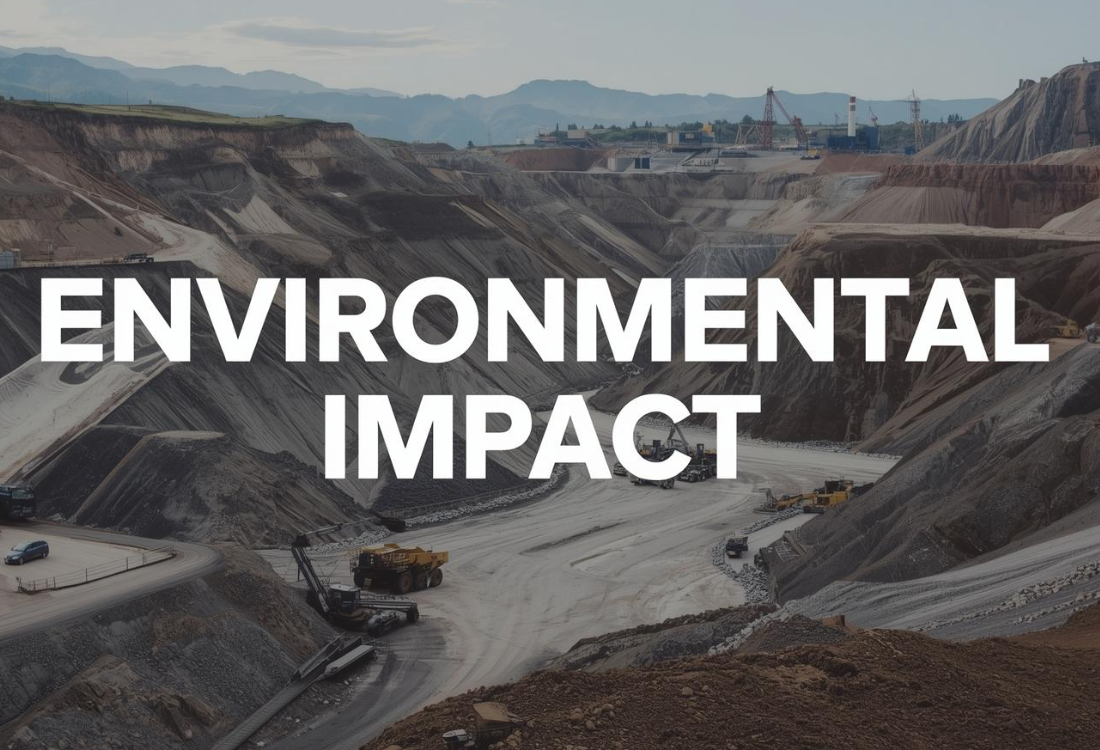
All businesses have social and environmental responsibilities to their staff and their communities, and those that generate large volumes of dust are no exception. While regulatory compliance is, of course, essential, effective dust control is also necessary to protect the environments that surround your site, because the impact of airborne particulates can be far-reaching. In response, engineers and project managers are turning to foam dust control, a smarter, more sustainable approach that tackles dust at its source without the resource drain of traditional methods. In this article, we’ll examine the environmental benefits of these systems.

A cleaner alternative
Unlike traditional water-based suppression, which relies on heavy saturation, a fixed foam system uses a stable, low-moisture foam to trap dust particles directly at the source. The foam clings to surfaces, reducing rebound and preventing fine particulate matter from becoming airborne. For project managers who aim to balance productivity with environmental responsibility, this approach offers a reliable, low-impact solution for controlling fugitive dust emissions.
Because foam systems are fixed in place and automatically activated, they deliver consistent, repeatable results without the need for manual intervention. This reliability is especially valuable in high-friction, high-dust areas such as crushers and conveyor transfer points.
Significant water savings
Conventional water-based dust suppression is often highly inefficient. In some operations, controlling dust can require up to 1,000 litres of water per tonne of material, much of which simply evaporates or runs off. In contrast, chemical foam suppression systems use only a fraction of that volume.
By cutting water use by up to 90 per cent, foam suppression offers major resource savings, which is particularly important in remote or arid regions where water is scarce. And with less water comes less runoff, reducing the risk of soil contamination or pollution of nearby waterways.
A reduced environmental footprint
The environmental benefits of foam suppression systems go well beyond water efficiency. By significantly reducing airborne dust, they help sites to meet air quality regulations and avoid costly shutdowns. Because the foam is both targeted and stable, it minimises overspray, rebound, and wind-blown emissions, keeping dust contained and the site perimeter cleaner and safer.
Over time, lower dust levels mean less frequent cleaning, reduced equipment wear, and less reliance on energy-intensive extraction systems. Together, these advantages contribute to a smaller overall carbon footprint.
Preventing dust migration
One of the greatest strengths of foam dust suppression is its ability to stop dust before it spreads. By trapping particles at the moment of release, the foam forms a physical and chemical barrier, preventing migration into nearby ecosystems.
In an era of tightening environmental regulations and growing public scrutiny, this kind of proactive dust control is essential for responsible, future-facing operations.
Find out more
For more information about our foam suppression systems, or to obtain a free no-obligation quotation, please get in touch with Best-Chem today.

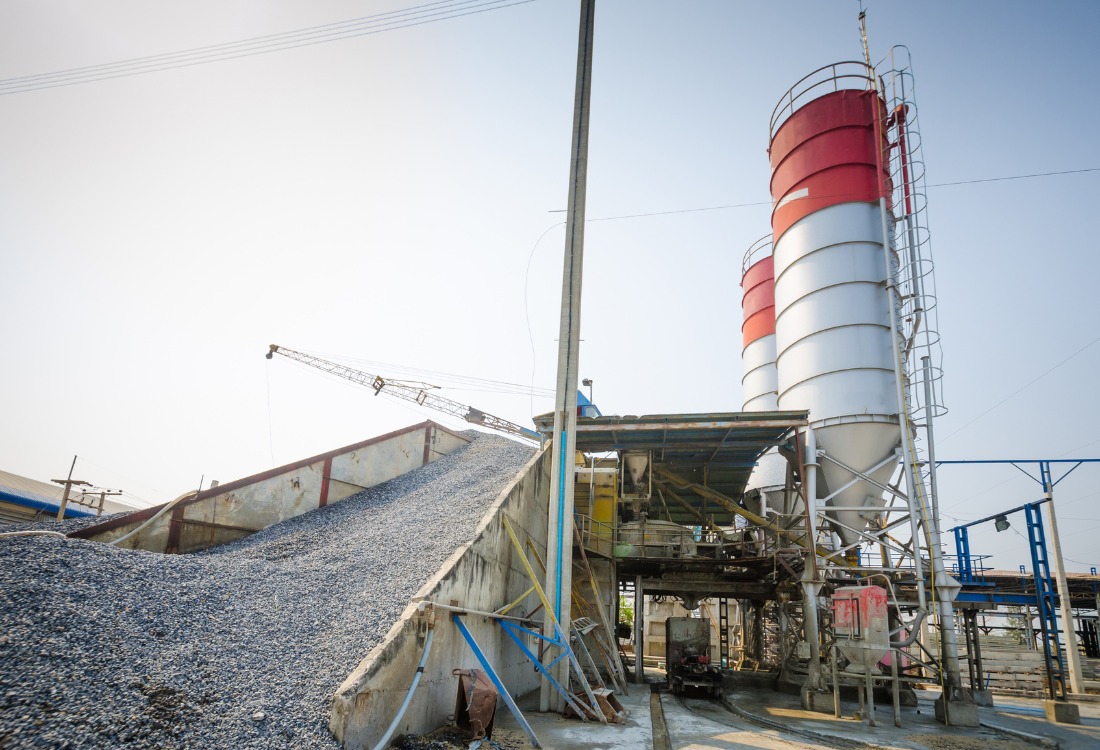
Understanding Cement Dust Hazards and Control Measures for a Safer Workspace
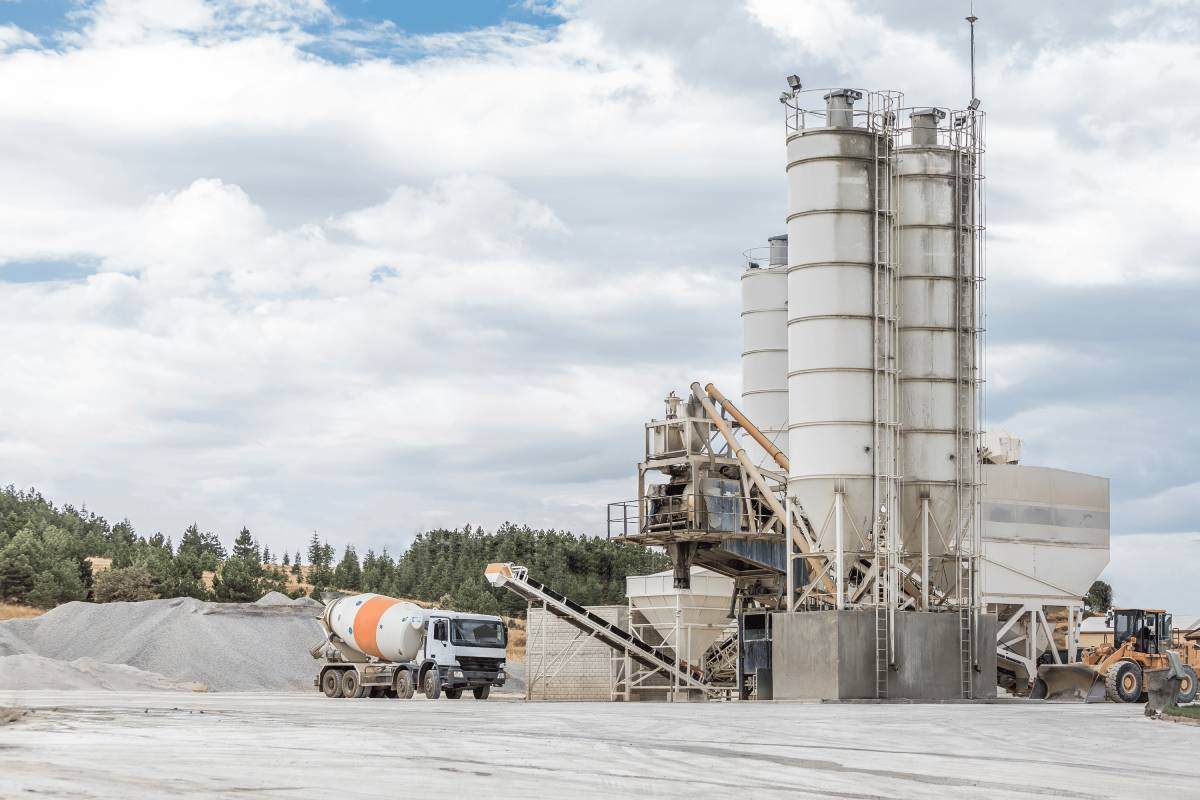
Mitigating Environmental Risks With Concrete Dust Extraction Systems
No Comments Yet
Let us know what you think