

By Kieran on May 7, 2026, 12:00:00 PM
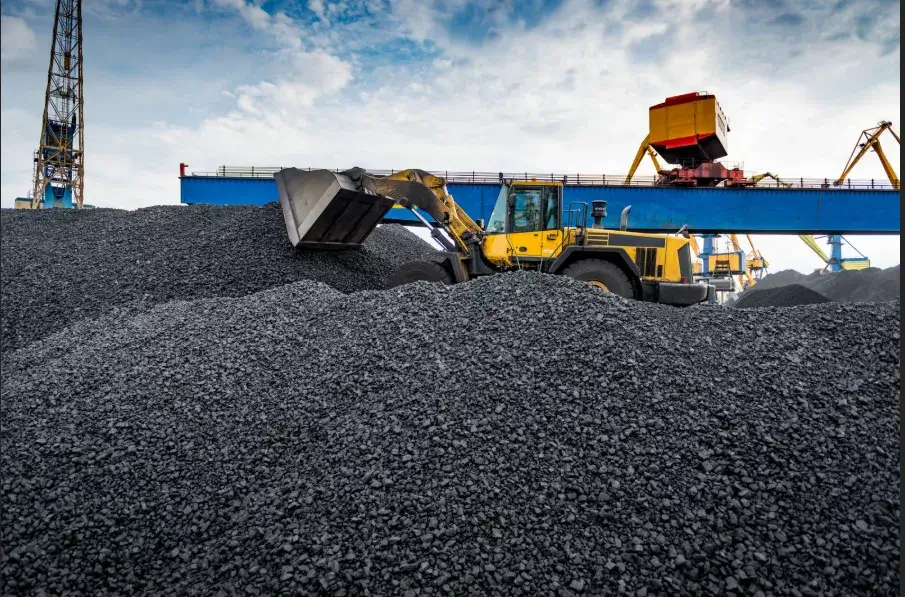
Coal dust is one of the most persistent operational problems in any coal handling system. Whether material is being received, transferred, crushed, screened, or loaded out, there are multiple points where fine particles can escape into the air. Once that starts happening, the issue can spread quickly across conveyors, walkways, structures, and plant.

The Problem With Traditional Dust Collection Systems
A traditional dust extraction system in coal handling plant environments is designed to capture dust after it has become airborne. The difficulty is that coal handling does not always happen in neat, enclosed conditions. Transfer towers may be enclosed, but stockyards, loading areas, receiving stations, and long conveyor runs often are not. In those parts of the process, extraction can become more complicated, more energy-intensive, and harder to apply consistently across every dust-generating point. That is often where operators begin asking a different question: not just how to collect dust once it is airborne, but how to stop it getting there in the first place.
What Is Dust Suppression?
Dust suppression takes a preventative approach, so instead of pulling contaminated air through filters once dust has escaped, suppression systems are used to keep particles under control at source. If dust can be managed while the material is still on the belt, in the hopper, or at the transfer point, there is less airborne contamination to deal with further down the line.
Depending on the application, that may mean using fine mist, foam, or specialist suppression chemistry to bind particles, add controlled moisture, or create a barrier that stops material becoming airborne in the first place.
- Misting and fogging systems: Misting and fogging systems are commonly used where operators need to capture fine particles in the air without soaking the material or surrounding equipment. These systems generate very fine droplets that interact with airborne dust and help bring it down before it spreads. In a coal handling setting, that can make misting useful around transfer points, conveyors, and discharge areas where dust is released in repeated, predictable bursts. It is not a universal answer, but in the right location it can give operators a targeted way to control fugitive dust without relying entirely on extraction after the event.
- Chemical dust suppression solutions: Chemical suppression solutions are used where water alone is not enough, or where operators need a longer-lasting effect on the material surface. Rather than simply wetting the dust, these products are designed to improve particle binding or surface stability so that less dust is released during handling, traffic, or wind exposure. This can be particularly relevant where coal is stored, transferred repeatedly, or exposed over longer periods. Instead of relying on constant reapplication of plain water, a chemical treatment may help maintain control for longer and reduce the volume of loose particulate available to become airborne.
- Foam-based dust control: Foam-based systems take a slightly different approach. Rather than dispersing droplets into the air, they apply a structured foam that clings to the material or emission point; capturing fine particulates and keeping them in place, while using less water than conventional spraying, and avoiding the flooding problems that can come with plain water systems. For coal handling, that can be valuable at impact points or wherever the material is disturbed sharply enough to generate a burst of dust. Because foam stays where it is applied for longer than a simple spray, it can offer more persistent control in the right part of the process.
The Case For Integrated Dust Management
In reality, many sites will get the best result from using more than one method. Suppression may be the right choice at open transfer points, stockpiles, or conveyors, while local extraction is reserved for enclosed zones where filtration can work efficiently. This kind of integrated approach reflects the way the process actually behaves, with greater flexibility to accommodate individual site conditions and operational requirements. Using the right tool at the right release point is often more effective than trying to force the whole process into one system design.
Find Out More
If you are reviewing your dust control across a coal handling operation, the most effective solution may be the one that addresses dust before it becomes a wider plant issue. Get in touch with Best-Chem today to find out more about the options available for your site.
Share this
Finding The Right Solution For Your Mining Dust Control Operations

Finding The Right Solution For Your Mining Dust Control Operations
Sep 5, 2025, 11:00:00 AM
2
min read
The Role of Site Surveys in Selecting Dust Suppression Methods

The Role of Site Surveys in Selecting Dust Suppression Methods
Oct 17, 2025, 11:00:00 AM
2
min read
6 Benefits of Dust Control Sprinklers for Roads, Yards & Stockpiles
6 Benefits of Dust Control Sprinklers for Roads, Yards & Stockpiles
Apr 29, 2026, 12:00:00 PM
3
min read
No Comments Yet
Let us know what you think