
By Kieran on May 7, 2026, 11:00:00 AM
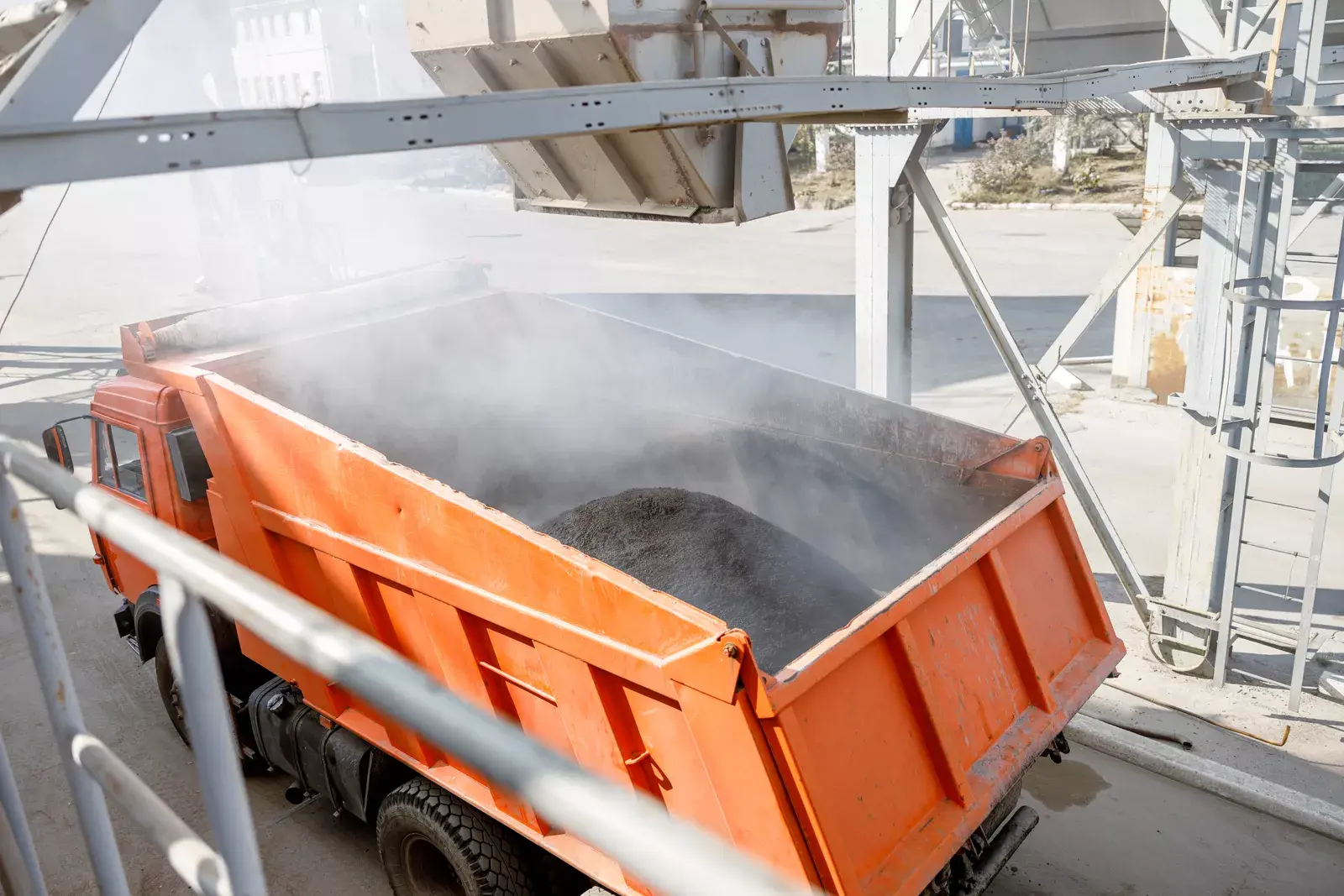
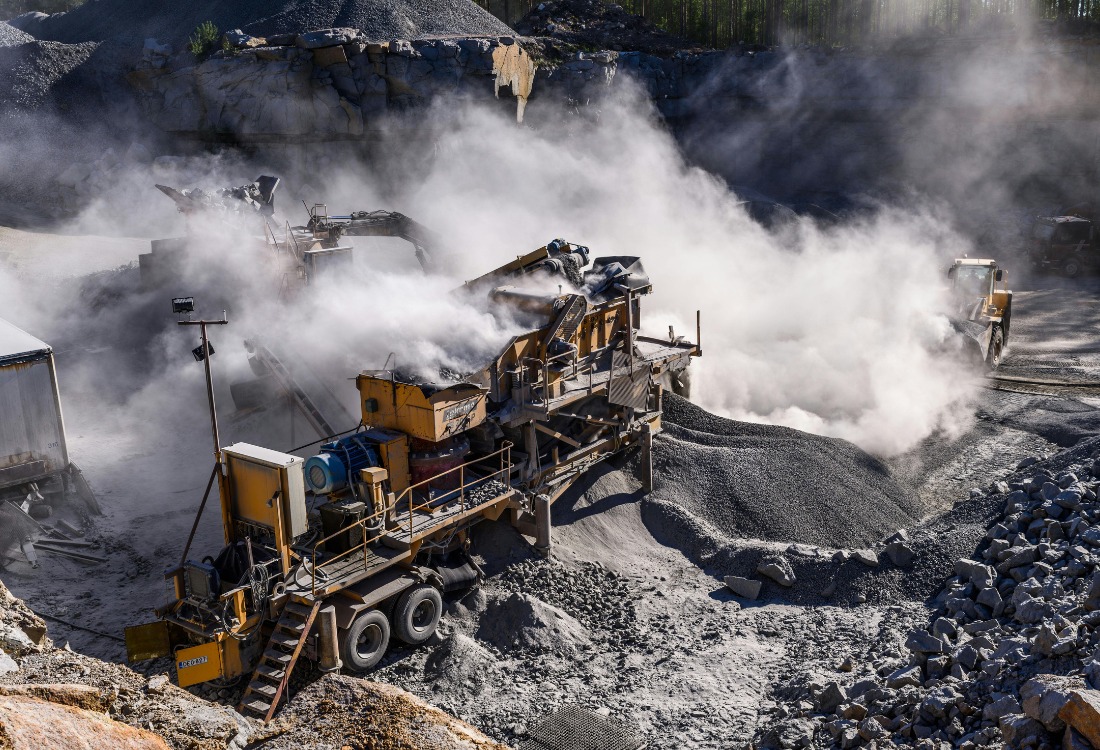
Quarrying, mining, cement production, ports and rail freight operations all have one thing in common – bulk material handling. Wherever material is transferred, dropped, loaded or transported in bulk, dust becomes a persistent operational challenge.

Effective dust control systems for bulk material handling are essential for managing airborne particles during loading, crushing, conveying and storage operations. Without proper control measures in place, dust emissions can affect worker health, environmental compliance and equipment reliability.
This short guide outlines practical dust control and bulk loading systems used across industrial sites, and how to approach dust management in a structured, compliant way.
Why Dust Control is Crucial to Bulk Loading Operations?
During loading operations, fine particles become airborne at transfer points, conveyors, crushers and rail loading facilities. In ports and freight environments, dusty cargoes present specific safety concerns.
According to HSE guidance on handling dusty cargoes, airborne dust can create respiratory hazards and reduce visibility during loading and unloading activities. Sites must assess risk and implement suitable industrial dust control methods to protect workers and maintain safe operations.
In certain sectors, combustible dusts can also create fire or even explosion risks if allowed to accumulate in confined areas. In these environments, dust control becomes not just good practice but a critical safety requirement.
Effective dust control and bulk loading systems therefore serve three main objectives:
- Reduce airborne respirable dust
- Prevent material loss and off-site migration
- Support compliance with regulatory frameworks
Understanding Dust Suppression Regulations
In the UK, dust control is governed by multiple overlapping frameworks, including:
- Health and Safety at Work legislation.
- Control of Substances Hazardous to Health (COSHH)
- Quarry Regulations (1999)
- Port and cargo handling guidance
- ATEX directives in environments where combustible dust may be present
For quarrying and mining operations, silica dust exposure remains one of the primary health concerns. For ports and freight terminals, safe handling of dusty cargoes is specifically highlighted within HSE guidance.
Meeting dust suppression regulations requires proactive measures. Sites must demonstrate that appropriate controls are implemented at source.
This is where engineered dust control and bulk loading systems become an essential part of operations.
Industrial Dust Control Methods Used On Site
There is no single solution that suits every industrial environment. Effective control depends on the type of material, loading method and surrounding infrastructure.
Common industrial dust control methods include:
1. Water Spray Dust Suppression
Water spray systems apply controlled moisture at transfer points or loading chutes to bind fine particles. This is particularly effective where material moisture content can be slightly increased without affecting product quality.
Correct droplet sizing and positioning are critical to avoid excess run-off or oversaturation.
2. Foam Dust Suppression Systems
Foam systems mix a small proportion of foaming agent with water to improve wetting performance. This increases surface contact with dust particles while keeping moisture levels low.
Foam is especially effective in bulk material handling environments where minimising added moisture is important.
3. Dust Extraction Systems
Extraction and filtration systems physically remove dust from enclosed loading points. These are often used where dust must be fully contained, though they can be more complex and maintenance-intensive.
4. Rail Wagon Encapsulation
During rail freight loading, dust can continue to escape during transit. Encapsulation systems apply a surface seal or covering to loaded wagons, preventing dust from becoming airborne during transportation.
This is particularly relevant for ports and long-distance rail freight operations.
Dust Control At Bulk Loading Points
Bulk loading points represent one of the highest-risk areas for dust generation. Material falling into rail wagons, trucks or stockpiles creates turbulence that releases fine particles into the air. Without properly designed dust control and bulk loading systems, sites may experience:
- Reduced visibility
- Worker exposure to respirable dust
- Material loss
- Community complaints
- Increased cleaning and maintenance demands
A structured solution typically includes:
- Suppression at the discharge point
- Control within loading chutes
- Surface treatment after loading
- Monitoring to ensure ongoing compliance
When these elements are designed together, sites can significantly reduce fugitive emissions, thereby protecting their personnel, plant and operations.
Designing A Practical, Compliant Solution
For engineers and project managers, the most effective time to address dust control is during the design phase of a new plant or bulk loading facility.
Waiting until after commissioning often results in retrofits that are more expensive and harder to integrate.
A professional site survey should assess:
- Material characteristics
- Throughput rates
- Existing water infrastructure
- Exposure points
- ATEX considerations where applicable
- Compliance requirements under current dust suppression regulations
From there, the appropriate combination of industrial dust control methods can be specified and integrated into site operations.
Moving From Reactive To Proactive Dust Management
Industrial sites that treat dust as an afterthought often find themselves on the back foot, reactively responding to:
- HSE inspections
- Internal audit findings
- Community complaints
- Equipment performance issues
By contrast, implementing engineered dust control and bulk loading systems at source delivers measurable operational benefits like:
- Improved compliance confidence
- Safer working conditions
- Reduced clean-up and downtime
- Better environmental performance
- Stronger stakeholder assurance
In rail freight environments especially, integrating encapsulation with suppression at loading points provides a comprehensive solution.
Book a Site Consultation Today
If your site is reviewing its approach to dust management, now is the right time to assess whether your current systems meet operational and regulatory expectations.
A structured consultation allows you to identify the most appropriate dust control and bulk loading systems for your operation and ensure ongoing compliance with relevant dust suppression regulations.
Book a professional site survey today to evaluate your current dust control approach.
Image Source: Envato
Share this
What is the Permissible Exposure Limit for Respirable Crystalline Silica?
What is the Permissible Exposure Limit for Respirable Crystalline Silica?
Apr 9, 2026, 11:00:00 AM
3
min read
Foam Suppression Systems: The Eco-Friendly Way To Control Dust
Foam Suppression Systems: The Eco-Friendly Way To Control Dust
Jun 7, 2024, 11:30:00 AM
2
min read
How to Choose the Right Dust Suppression System in Mines for Your Operations
How to Choose the Right Dust Suppression System in Mines for Your Operations
Oct 3, 2025, 11:30:00 AM
2
min read
No Comments Yet
Let us know what you think