

By Kieran on Dec 8, 2025, 10:45:00 AM
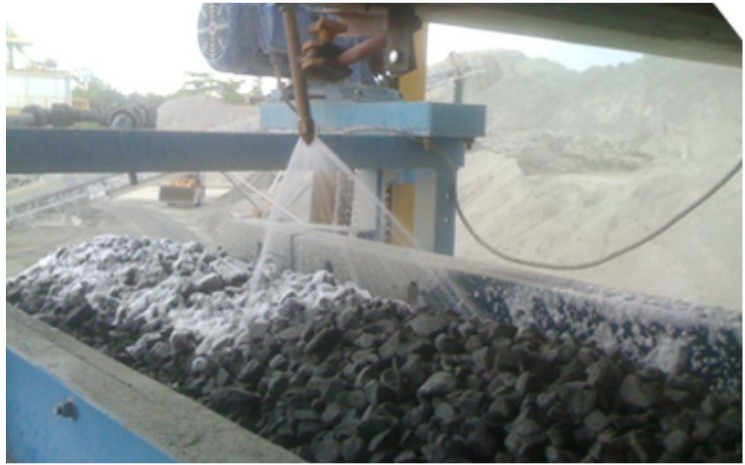
When dust control is neglected, the consequences can be serious, from airborne health hazards and air quality violations to unplanned downtime and financial penalties. For environmental managers under pressure to cut emissions and meet strict sustainability targets, relying on passive or outdated methods is no longer viable.
A foam sprinkler system delivers targeted, reliable dust suppression at critical points of emission, such as conveyors, crushers, and loading zones, making it an essential solution for high-dust, high-friction operations.

Foam Dust Suppression: Explained
Foam dust suppression uses a mixture of water, air, and a specialised chemical surfactant to create a dense, sticky foam. When applied to dusty surfaces or emission points, the foam captures fine particulates and prevents them from becoming airborne. Unlike traditional methods that rely on water spraying, foam clings to surfaces, creating a barrier that keeps dust in place without flooding equipment or washing away valuable material.
Benefits of Foam Dust Suppression
Foam-based systems offer several advantages over conventional methods:
-
Longer-lasting coverage: The thick, slow-drying nature of foam provides extended dust control compared to mist or water sprays.
-
Reduced water consumption: Foam dust suppression uses significantly less water, making it ideal for facilities looking to reduce their environmental impact or on sites where there isn’t easy access to water.
-
Enhanced control at emission points: Foam blankets applied directly to conveyor belts, crushers, and hoppers form a physical seal that suppresses dust generation at the source.
-
Improved safety and compliance: By reducing airborne dust, foam systems help to limit the exposure of workers to harmful particulates and improves compliance with air quality regulations.
Types of Foam Suppression Systems
There are several configurations of foam suppression systems, each of which is suited to different environments and applications:
-
Standard Foam Generating Units - Standard packaged units for treating up to 12 application points located within 100m
-
Distributed Pump Skid Systems - Bespoke systems with unlimited numbers of applications and distances. Ideal for larger plants and a single Central Pump Station avoids the needs for several independent Foam Generating Unit installations.
While choosing the most suitable type of foam suppression system is critical, precise placement and foam consistency also help to optimise dust capture, especially in fast-moving operations such as coal handling or aggregate processing. In one study, foam dust suppression achieved dust reduction of more than 90 per cent in mining activities.
Factors To Consider When Choosing Dust Suppression Systems
Choosing the right chemical dust suppression solution involves balancing performance with practicality. Key considerations include:
-
Type and volume of material handled
-
Moisture sensitivity of the product
-
System integration with existing infrastructure
-
Environmental and safety regulations
-
Long-term maintenance and operational costs
However, foam dust suppression is not a one-size-fits-all solution. While a well-designed system can transform your site’s dust management strategy, customised solutions, tailored surfactant blends, and controlled application rates are critical to maximise its effectiveness.
Find Out More
At Best-Chem, our experts can help you to assess your site’s dust problem and recommend the most effective foam suppression system. We’ll work with you to design a tailored approach that meets both regulatory requirements and sustainability goals.
For more information, please contact us today on 01530 440935 or send us a message.


5 Ways Dust Suppression Chemicals for Roads Prevent Plant Failure
Case Study 5 - Quarry
.webp)
No Comments Yet
Let us know what you think