

By Nidia on Dec 19, 2025, 11:30:01 AM
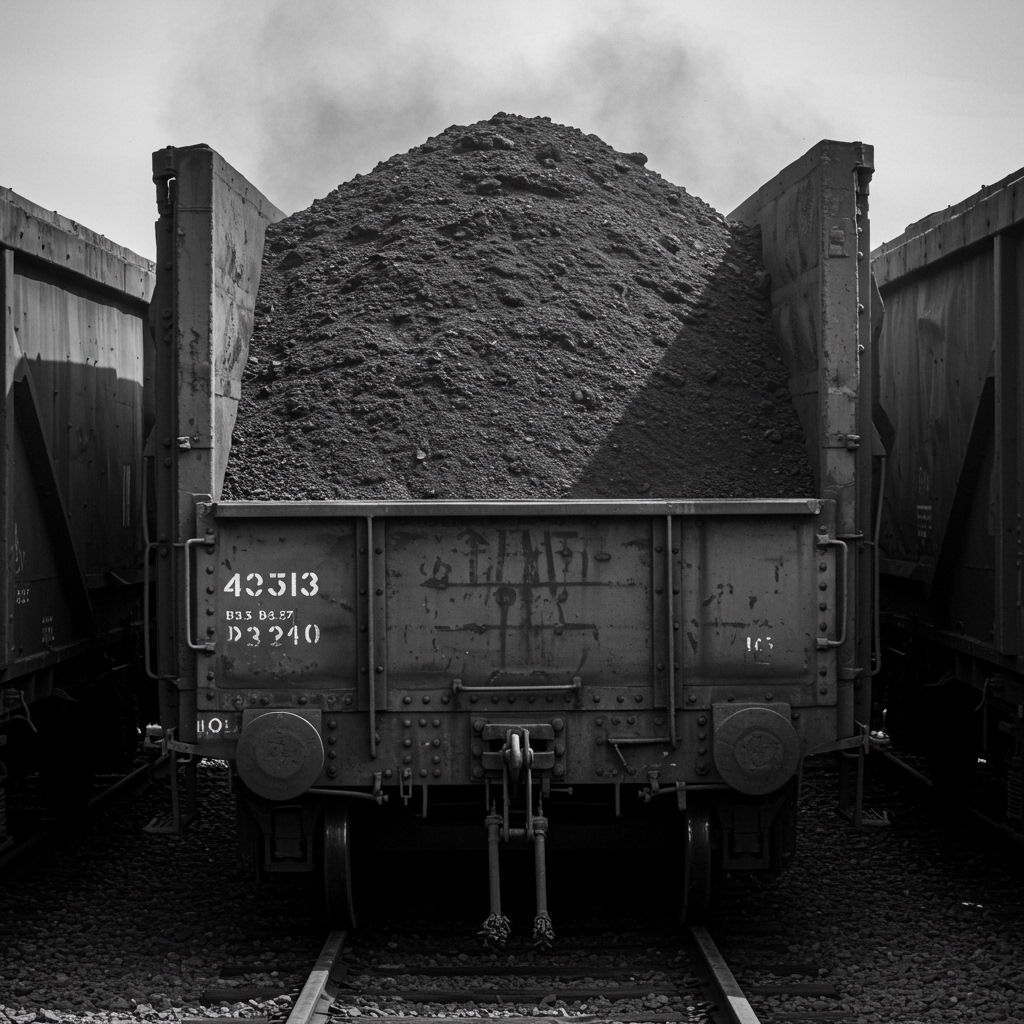
When a gentle breeze sweeps across a quarries and ports, it can almost instantly stir up a thick plume of dust from the surface of a stockpile, coating machinery, irritating lungs, and degrading air quality well beyond the site boundary. Stockpile dust often goes unnoticed, but by the time it is visible, the consequences are already in motion.
For quarry managers and other industrial operators, proactive stockpile dust suppression is essential, not only for compliance, but for efficiency, safety, and sustainability.

What Is Stockpile Dust?
Stockpile dust refers to fine, loose particles that become airborne from the surface of stored bulk materials, such as coal, aggregates, or minerals, due to wind, the movement of heavy machinery, or the natural degradation of the pile’s surface. Because these particles are small and lightweight, they can travel considerable distances once airborne. While the material itself may be inert, airborne stockpile dust presents serious risks to human health, environmental quality, and operational efficiency across industrial sites incuding ports.
Why Stockpile Dust Control Matters
Uncontrolled dust from open stockpiles can be a nuisance and a liability. When left unmanaged, it can result in serious operational, financial, and reputational problems, including:
-
-
Health problems for workers, leading to increased sickness absence, lower productivity, and compensation claims from affected individuals.
-
Regulatory fines and legal action due to non-compliance with environmental health standards.
-
Damage to business reputation, particularly if neighbouring communities are impacted.
-
Increased clean-up and maintenance costs as dust settles across site infrastructure.
-
Material loss or contamination, reducing product quality and saleable volume.
-
Reduced visibility around site operations, increasing safety risks.
-
Accelerated wear on machinery and equipment caused by the ingress of dust.
-
Declining staff morale and retention, especially in persistently dusty working conditions
-
By implementing effective dust control measures, site managers can mitigate these risks and maintain safer, more efficient operations.
Effective dust control solutions
Stockpile encapsulation – the process of covering a stockpile with a protective barrier - is one of the most effective methods of containing dust and preventing material loss. By physically sealing the material, it stops wind erosion at the source and reduces airborne emissions without requiring constant maintenance. Encapsulation can be achieved using chemical dust suppressants, crusting agents, or polymer coatings applied through spray systems.
In addition to encapsulation, several other methods can be used depending on site conditions and dust characteristics:
-
-
Water-based suppression using automated spray cannons or misting systems.
-
Foam application for high-dust materials such as coal.
-
Surfactant and binder solutions that lock particles in place.
-
Vegetative covers on long-term storage piles to stabilise the surface.
-
Industry-specific best practices
Different industries face unique challenges when it comes to stockpile dust control. Tailoring your approach to the type of material and operational environment ensures more effective and sustainable suppression:
-
-
Mining and quarrying: Use real-time dust monitoring to trigger automated spray systems. Prioritise chemical suppressants during dry and windy periods.
-
Salt and aggregate storage: Apply foam or brine solutions to limit salt loss and environmental leaching.
-
Coal stockpiles: Employ crusting agents that form durable, weather-resistant barriers, particularly at rail or barge transfer points.
-
Next steps
Choosing the right stockpile dust control approach depends on the material, climate, and site priorities. However, inaction is not an option.
To explore advanced dust control technologies, such as the DustCrust 2000 latex polymer emulsion, please get in touch with Best-Chem for tailored advice and product recommendations.

The Importance Of Dust Control Systems In Mining Operations
How To Reduce Dust When Crushing Concrete: 7 Essential Strategies

No Comments Yet
Let us know what you think