

By Kieran on Aug 20, 2026, 11:00:01 AM
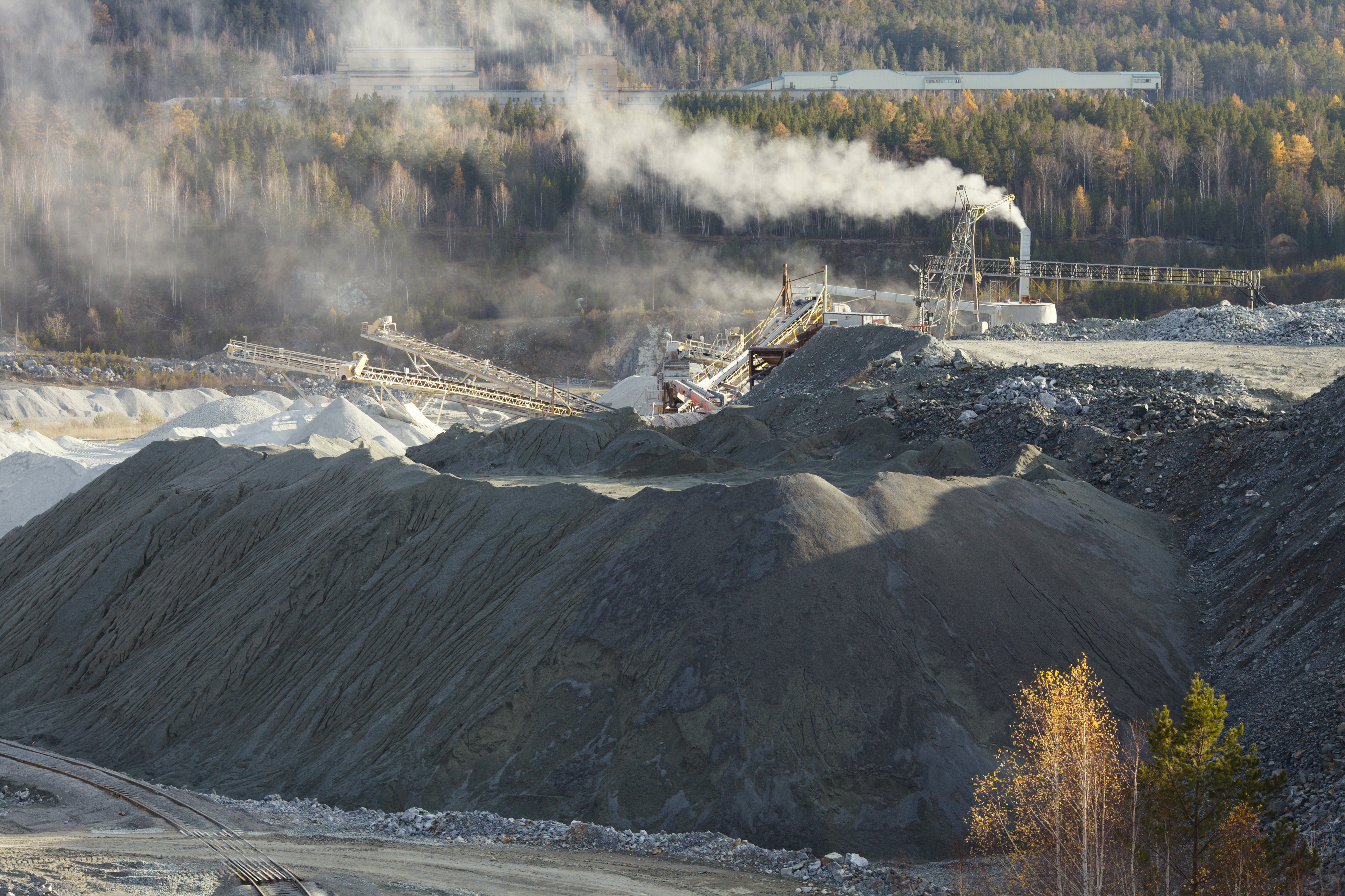
Downtime in a quarry plant often begins at the points where material handling loses containment: crusher discharges, screen feeds, transfer chutes, return belts, hoppers and loading areas. Fine dust released at these points does not stay neatly within the emission area, but settles where it can interfere with maintenance visibility, belt condition, flow paths and fault diagnosis.

This is the reason quarry dust suppression has a direct connection to plant availability. Escaped fines can alter how material moves through chutes, reduce screen efficiency when moisture and fine particles combine across apertures, accelerate cleaning cycles and make routine checks slower to complete. The cost to you is not only dealing with the visible dust around the plant, but the operational time lost when deposits repeatedly build up in the areas that keep crushing, screening and conveying systems running predictably. Read on to find out more.
Dust Build-Up Starts Where The Material Stream Opens
Crusher discharges, screen feeds, transfer chutes, hoppers and load-outs all interrupt contained flow. When material falls from one stage to another, the moving stream displaces air and creates turbulence around the receiving belt, hopper or chute. Fine particles can then separate from the main material flow, especially where dry feed, vibration or high drop energy keeps them suspended long enough to move beyond the immediate source.
Once those fines settle, they begin to change the working condition of the plant. Deposits around return rollers and belt structures can make early signs of wear, mistracking or carryback harder to inspect. Build-up inside transfer chutes can narrow the available flow path or change the trajectory of material onto the receiving belt, creating further spillage and cleaning demand. Around level sensors, pull cords, camera lenses or proximity devices, dust can also make fault diagnosis slower because the team has to separate an instrumentation issue from a material-flow issue.
The downtime can problem and become cumulative. For example:
- A transfer point that needs frequent clearing removes labour from planned maintenance.
- A belt that requires repeated adjustment because of spillage affects production rhythm.
- A sensor fault that cannot be diagnosed cleanly can hold up restart decisions.
These are just a couple of examples of many potential knock-on effects. Dust build-up starts to become expensive when it turns routine inspection into preparation work before the real maintenance task can even begin.
Screens Are Exposed To A Different Dust Problem
Screens are even more sensitive because the process depends on particle size, deck aperture, vibration amplitude, feed rate and moisture. Dry fines increase airborne dust around the screen house, which is why misting systems are often used for suppression, but uncontrolled water addition can create another failure mode. When fine particles become damp, liquid bridges can form between them and the screen media. That can lead to blinding, where fines adhere across apertures, or pegging, where near-size particles lodge in the deck and reduce the available open area.
A screen that loses open area changes classification performance. Material that should pass through the deck may carry over, while the screen requires cleaning, adjustment or reduced throughput to recover separation efficiency. This is where suppression methods and application points become important. A low-moisture foam system applied at your key crushers and transfer points can reduce the dust burden moving downstream without adding unnecessary water directly to the screen.
Planning Quarry Dust Suppression To Reduce Downtime
Effective quarry dust suppression starts by identifying where dust is creating operational drag on site. Best-Chem works with quarry operators to identify where dust build-up affects plant condition, maintenance access and production flow.
To discover the benefits for your operation, speak to one of our experts today.

Image Source: Envato
The Impact of Quarry Dust Control in Construction on Worker Health and Safety

What Is Silica Dust And How Does It Impact Operations And Safety On Site?

No Comments Yet
Let us know what you think