
By Kieran on Sep 17, 2026, 11:00:00 AM
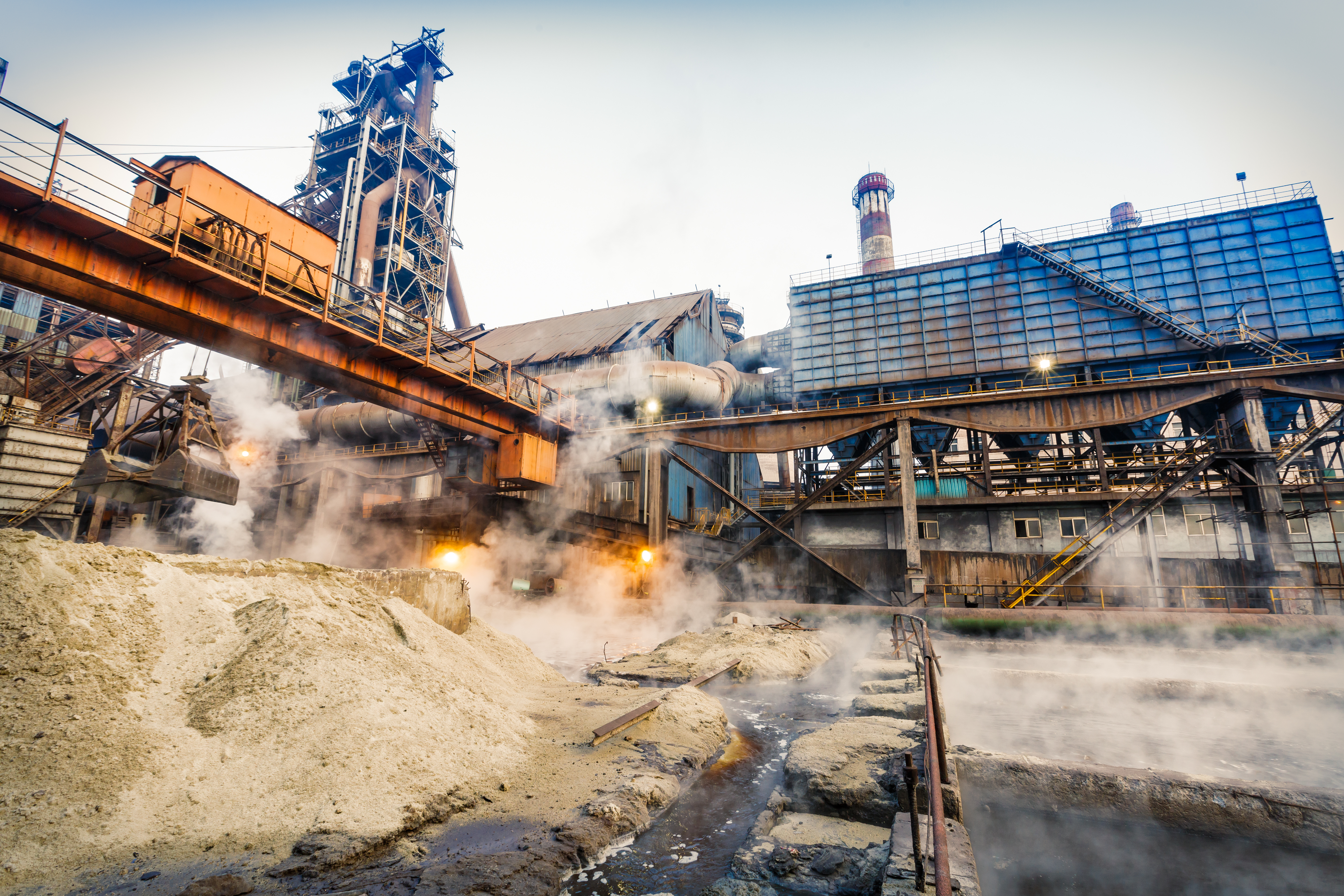
Across your steelworks, an iron ore hopper, sinter screen and finishing line produce dust through different mechanisms. Iron ore dust is bulk mineral particulate commonly generated during unloading, conveying and screening. Iron dust, on the other hand, despite the similar wording, usually describes a much finer metallic or oxide particulate derived from cutting, grinding or hot processes. Recognising that distinction helps you decide whether to retain fines in the material, intercept an airborne plume or extract the contaminant at source. Read on to find out what works and why when it comes to steel plant dust control solutions.

Solution 1: Control Dust As Material Passes Through Transfer Points
At a conveyor transfer, falling material drags air into the receiving chute; impact releases fines and displaces that air through enclosure openings. Greater drop distances, poor belt loading and abrupt direction changes provide more energy to separate and carry particles. Dust can consequently persist even when your transfer is partly enclosed.
Your chute geometry should therefore guide material onto the receiving belt with less free fall and turbulence. Enclosures, covers and correctly fitted skirting then limit escape routes for both iron ore dust and iron dust. Wet suppression can then act on the fines before impact or at the point they are released.
So, is a water misting system or foam better suited to the iron ore dust produced at steel plants?
Generally speaking, foam is a better option. Foam combines water with a surface-active agent, or surfactant, to spread moisture through fine material, allowing it to retain iron ore dust with less added water than a coarse spray when the dose, foam quality and application position suit your material. The same principle applies in mining dust control, where ores pass through repeated crushing, screening and conveying stages.
We configure our Foam Generating Units with independently controlled application zones. This allows you to adjust or isolate the output at individual transfer points as material flow and operating conditions change.
Solution 2: Intercept Airborne Dust Before The Plume Disperses
Once dust has escaped your material stream, a water mist can intercept it close to the release point, before it spreads across site and into surrounding areas. In a misting system, suspended metallic dust particles collide with suitably sized water droplets, combine and settle. System performance depends on your droplet distribution, nozzle position and local airflow, mist projected across the wrong part of the plume, or carried away by wind, may leave much of the dust untreated.
Partial enclosure can make misting more effective and dependable by containing the plume and extending contact time with the water spray. If your process produces very fine fumes, however, or moisture could affect your product or equipment, you may need local exhaust ventilation. LEV uses a hood and controlled airflow to capture contaminants before it reaches your staff or the wider workplace.
Bulk ore-handling dust, grinding dust and hot-process fumes therefore require separate engineering decisions planning your dust control strategy.
Solution 3: Stabilise Surfaces Exposed To Wind And Traffic
Your stockpiles, haul roads and loading areas create a third release mechanism: wind, vehicle movement and handling lift deposited fines or dry surface material into the air. To counteract this, sprinklers or mobile bowsers can restore surface moisture and create a more stable substrate, although weather and traffic conditions will determine how quickly that protection decays.
For a longer lasting solution, binders and stockpile sealants form a more persistent surface layer that resists wind erosion. They can suit inactive stockpiles, exposed loads or material stored between handling stages. The catch is that the protection lasts only while the treated surface remains intact. Rain, natural drying, vibrations and disturbance gradually break down the seal, so your inspection and reapplication intervals should reflect actual site conditions. Reclaimers and loaders disturb the seal most quickly, which means active stockpiles usually require more frequent treatment than material left undisturbed.
Each control should be checked against the conditions that determine its performance. At transfer points, for instance, this means confirming that the system is active at the correct material rate, the right application areas are enabled, and pressure, dose and nozzle condition remain within the commissioned settings. Yard and stockpile controls may need a different inspection routine, with checks after heavy rain, prolonged dry weather, or handling that may have disturbed the treated surface.
Visible dust escaping from an enclosure or drifting from a treated area is an immediate sign that control has weakened, although it cannot show how much dust workers are breathing. Your occupational risk assessment should determine whether air monitoring is also needed. By following the material through the steelworks and matching each release point to a suitable control, you can test the complete system at representative throughput and confirm that it continues to contain, capture or suppress dust during normal production.
Steel Plant Dust Control Solutions From Best-Chem
If you would like to find out more about steel plant dust control solutions and how to control exposure on your site, please contact one of the specialists at Best-Chem today by clicking here, or by calling 01530 440896.

Image Source: Envato
No Comments Yet
Let us know what you think