

By Kieran on Oct 30, 2026, 11:00:02 AM
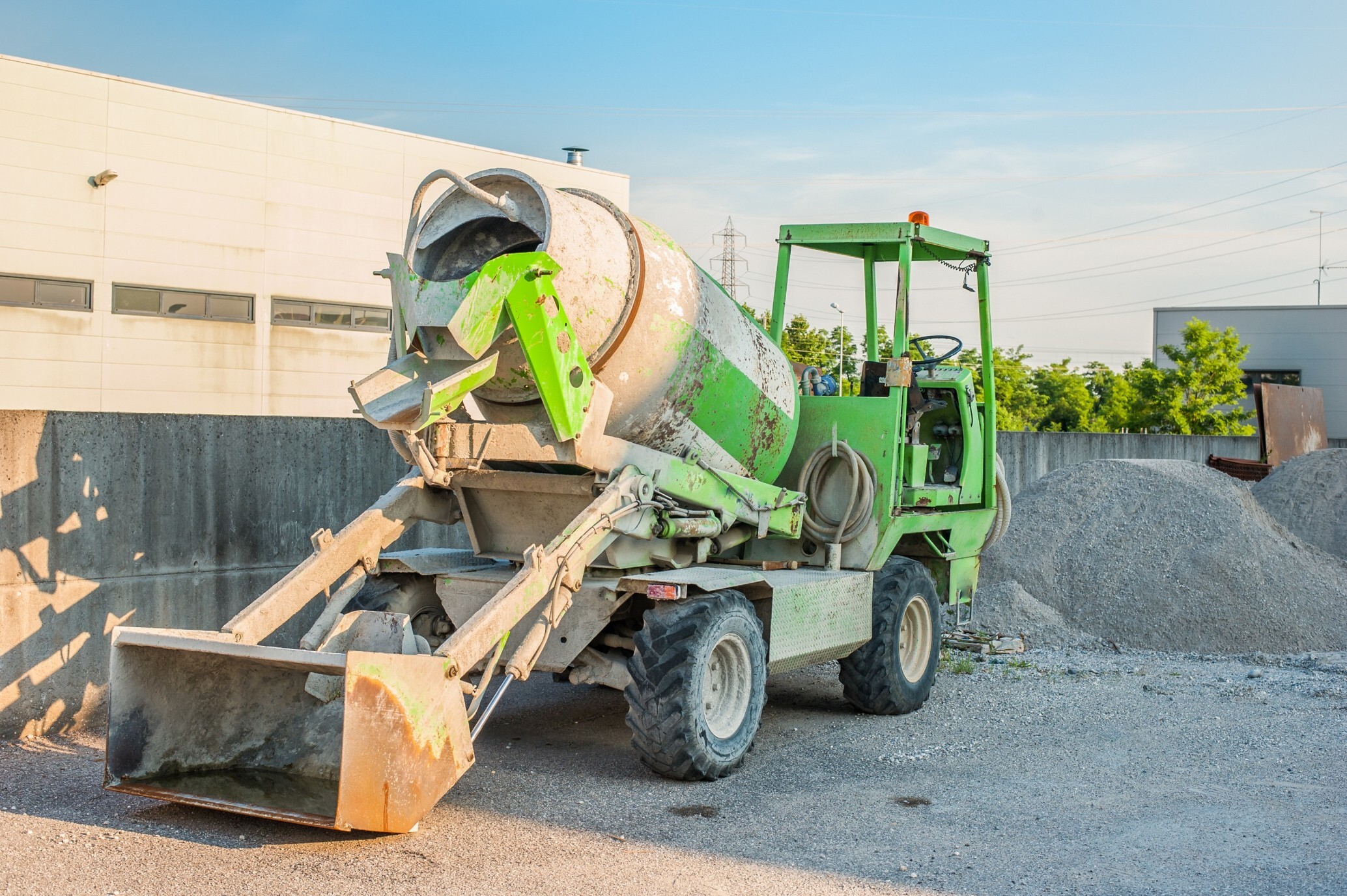
Hardened concrete left on a mixer drum’s walls and blades occupies space needed for the next load and can make cleaning progressively more difficult. Removing substantial build-up may require specialist equipment or work inside the drum, where restricted access and unexpected movement introduce serious hazards. For anybody responsible for keeping a mixer fleet available, the cleaning method depends on whether the material is still wet, has hardened inside the drum or is accessible on external surfaces. Read on as we explain how to remove concrete from a mixer truck safely and efficiently.

Why does ordinary wash-out stop working on hardened concrete?
During a routine wash-out, water is added to the drum, which rotates before discharging the remaining material through the chute into a designated wash-out bay. This removes wet concrete, but any material that remains attached to the drum can continue curing.
Cement hydration is the chemical reaction between cement and water that produces the hardened binder holding the aggregate together. Once that structure has formed, adding more water will not return it to a workable mix. If further residue is allowed to harden on top of these deposits, the build-up can reduce usable volume and make subsequent cleaning more demanding.
Fresh residue can be flushed away, while cured material needs a method capable of breaking or loosening the hardened deposit. Depending on its location and thickness, that may involve specialist water jetting, a concrete dissolver or mechanical removal.
Removing hardened concrete without entering the drum
For substantial internal build-up, specialist high-pressure water jetting can remove hardened concrete without anybody entering the drum, provided the work is planned and carried out by competent specialists.
This avoids the hazards associated with mechanical removal inside the mixer, including unexpected drum rotation, falling concrete and exposure to respirable dust containing silica. If entry is unavoidable, however, the work will require a separate safe system, with effective isolation, suitable access, supervision and emergency arrangements. The truck and drum must be secured against unintended movement, and nobody must be inside while the drum is repositioned or rotated.
Can a concrete dissolver reduce the need for manual removal?
In some cases, yes. Accessible deposits on the chute, external drum surfaces, discharge equipment and associated plant may be suitable for chemical treatment. A concrete dissolver is a chemical cleaner, usually acid-based, that acts on the hardened cementitious binder in concrete, allowing the deposit to soften and be rinsed or brushed away. The formulation and application method vary between products, so the cleaner must be suitable for the equipment and surface being treated.
For example, our Crete-Away+ is formulated to remove stubborn cured concrete on mixer trucks, plant, pumps and equipment. Its high-foaming formulation clings to vertical and irregular surfaces, keeping the active ingredients in contact with the deposit rather than allowing the liquid to run off immediately. For external deposits, the manufacturer recommends applying Crete-Away+ neat through a foam sprayer, allowing approximately 20 minutes for it to work and then rinsing with a pressure washer. Always follow the product instructions, carry out a test patch and use suitable protective equipment. This is not an instruction to apply the product inside the drum.
Do you need more than one treatment cycle?
This depends on the thickness of the concrete deposits. Thicker deposits may need more than one application because material beneath the exposed layer can remain after the first treatment. If concrete remains, use a stiff brush to help loosen the softened material, rinse and repeat the treatment if necessary.
What next?
If hardened concrete is affecting your fleet, please contact our team to discuss the deposit, the equipment and the cleaning method you intend to use. We can advise on Crete-Away+ and suitable application equipment for your plant.

Image Source: Envato
Share this
No Comments Yet
Let us know what you think