
By Kieran on Aug 6, 2026, 11:00:00 AM
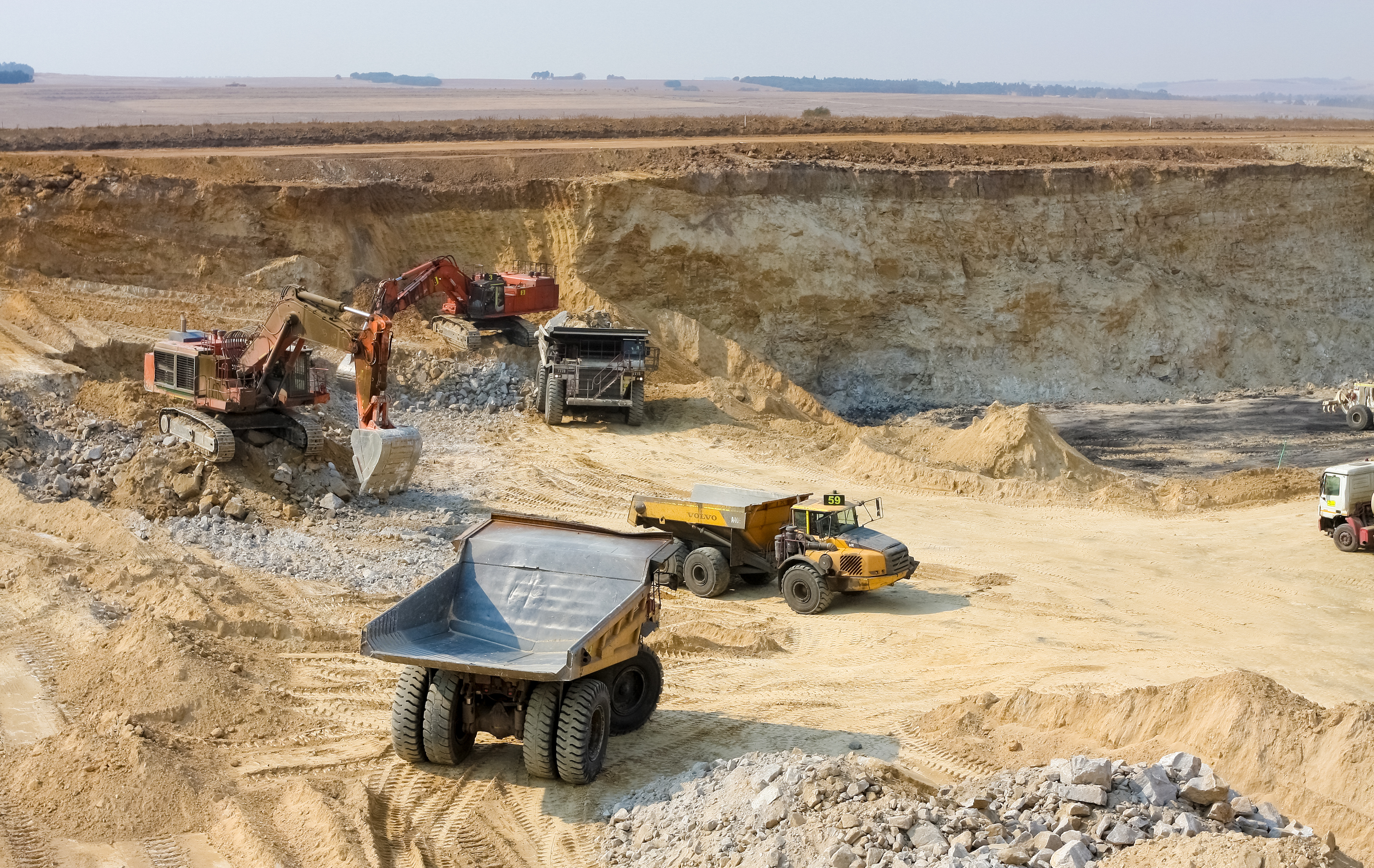
Rail freight dust is a commercial loss before it even becomes an environmental or compliance issue; for the blunt reason that as soon as fine material leaves an open wagon, it is no longer part of the delivered load. When it collects around loading points, railheads, access roads or unloading areas, it becomes material that has to be cleaned, managed or disposed of instead of invoiced, processed or used.

For operators moving coal, aggregates, ores, minerals or other dry bulk materials, dust-related product loss can affect load reconciliation, wagon cleanliness, customer confidence, site cleaning schedules and the condition of surrounding haul routes. Your control strategy therefore needs to protect the material throughout the freight cycle, from loading to transit, unloading and dust suppression roads management.
This article goes over the four main rail freight dust problems to be aware of when it comes to product loss, and what you can do to avoid them.
Problem One: Fines Lost During Loading Reduce The Dispatch Value
The first loss point is the loading bay. When dry bulk material drops into an open wagon, impact energy separates fines from the main stream. The displaced air inside the wagon then carries the lightest fraction away from the load before the wagon has even left site. This is a direct product-loss issue, as you have already processed, handled and moved that material to the railhead, but some of the highest-mobility fraction is lost during transfer.
Solution:
Suppression applied directly at the loading point targets fines at the exact moment they separate from the bulk stream, before that material can become airborne and be lost from the load. This protects dispatch value by keeping fines in the wagon rather than losing them to displaced air during loading.
Problem Two: Surface Lift-Off Creates A Delivered-Tonnage Problem
A loaded wagon surface is commercially exposed throughout its journey. Fine dust sitting on peaks, ridges or loose upper layers are highly vulnerable to air movement over the wagon rim, crosswinds and vibration through the load bed, and the longer the exposed journey, the greater the opportunity for small losses to accumulate. The fiscal and administrative problem for operators is not so much the visible release, but the volume gap between what was loaded and what remains available at delivery.
Solution:
Rail wagon topical sealants address this by binding the exposed surface layer after loading, helping retain fine material that would otherwise be available for lift-off in transit.
Problem Three: Inconsistent Surface Treatment Leaves Value At Risk
Dust control can fail commercially when treatment coverage is uneven across the process – i.e. if one part of the wagon surface is sealed and another remains friable, the untreated area becomes the weak point. Loose surface fines can still move in these cases, and vibration can expose further fine material below the top layer.
Solution:
Consistent surface coverage is extremely important for product retention, the aim being not simply to mitigate dust released at the embarkation point, but to protect the whole load surface throughout the route – potentially a matter of days or even weeks. A stronger approach is to set the treatment up around the loaded wagon, not just the chemical. Spray bars or application equipment should be positioned to cover the full exposed surface, with the spray pattern matched to the wagon width, load profile and expected surface irregularities. Dosage should then be adjusted to the material condition, because dry, fine or uneven loads may need more contact time and more consistent coverage to form a protective layer that holds through transit.
Problem Four: Railhead Residue Turns Product Into Cleaning Cost
Unfortunately, material that escapes at the loading or unloading point does not disappear from your operating cost base. As ‘dust’, the lost product invariably collects around rails, hardstanding, conveyors, wagon access areas and vehicle routes. And once product is on the ground, it can be contaminated by tyre movement, surface water, general yard debris or mixed residues from other handling activities, making it very difficult to reclaim. By this stage, ‘saleable material’ has turned into a potentially expensive cleaning and recovery issue.
Solution:
The solution starts with keeping residue close to the point of loss, rather than allowing it to migrate through the railhead. Loading and unloading areas should be treated as controlled recovery areas if possible, with suppression applied where the material falls, hardstanding kept clear enough for mechanical recovery, and housekeeping scheduled before loose product is ground into road dust.
When used as a core part of road and site management, foam or misting can reduce airborne releases at the transfer point, while a targeted approach to dust suppression roads helps prevent escaped material from being reworked by vehicle movement. The financial aim is simple; keep saleable material in the load, keep recoverable residue contained, and stop lost product becoming a wider site-cleaning liability.
Dust Suppression Roads Around The Railhead
Wagon treatment and loading-point suppression only address part of the picture. Once fine material has settled on hardstanding, access routes or haul roads around the railhead, it becomes a fresh source of airborne dust every time a vehicle passes over it, effectively resetting the product-loss problem at ground level rather than solving it.
This is why building a dust suppression roads strategy into the wider site plan is worth the investment, treating the roads and hardstanding around a railhead as part of the same control plan as the wagons themselves, rather than as a separate housekeeping task. Site roads exposed to regular haulage traffic typically benefit from fixed or mobile misting, or scheduled sprinkler coverage, applied alongside the sealants and encapsulation methods used on the wagons. Treating both together stops reworked residue from becoming a second, avoidable loss point on top of the fines already lost during loading and transit.
What Next?
Best-Chem supplies dust suppression systems for rail loading, rail unloading, wagon surface treatment and road dust control around bulk freight operations. For more information, please call one of our technical sales team today on 01530 442346, or click here to send us a message.

Image Source: Envato

Dust Control Techniques For Protecting Respiratory Health In Quarries
An Alternative to Dust Collection Systems: Choosing the Right Dust Suppression for Coal Handling
No Comments Yet
Let us know what you think